
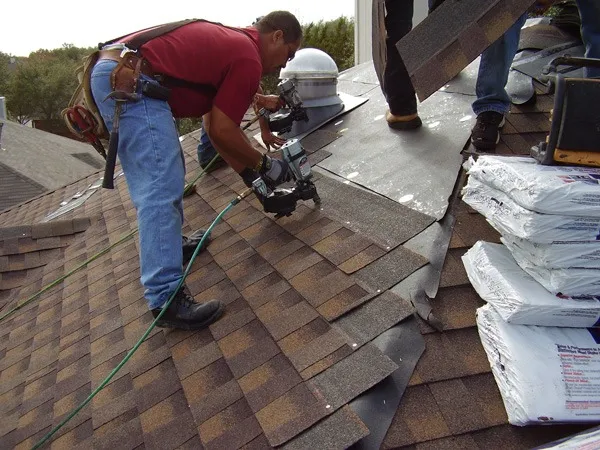
A roof replacement is one of the biggest home investments you’ll make. Your roof protects everything underneath from Texas heat, hail, and heavy rains. If you’re wondering whether your roof needs replacing, what it costs, or how long it takes, this guide walks you through every step. We’ll cover the signs that replacement makes sense, what affects pricing, and what to expect during installation.
Signs Your Roof Needs Replacement
Knowing when to replace your roof prevents costly water damage and keeps your family safe. Most asphalt shingle roofs last 20–25 years in Texas. If your roof is approaching or past that age, replacement becomes more likely than repair.
Look for these warning signs:
Missing or damaged shingles. After hail or high winds, check your roof for shingles that are cracked, curling, or completely missing. Isolated damage might warrant a repair, but widespread problems signal replacement time.
Sagging roof deck. A sagging roofline suggests structural issues underneath, often from water damage or deteriorated wood. This requires immediate attention and usually means replacement.
Visible water stains indoors. Stains on your ceiling or attic rafters point to active leaks. While not every leak requires a full replacement, repeated leaks across multiple areas usually do.
Granule loss in gutters. Asphalt shingles shed granules as they age. Finding piles of dark granules in your gutters signals that shingles are breaking down.
Visible light through the attic. Climb into your attic on a bright day. Daylight coming through means gaps in the roof deck that need addressing.
Texas weather accelerates roof wear. UV exposure, hail storms, and temperature swings age roofing materials faster than in milder climates. An annual roof inspection catches problems early and helps you plan ahead.
Roof Repair vs. Replacement: How to Decide
Not every damaged roof needs replacing. The right choice depends on the roof’s age, damage extent, and repair costs.
Choose repair if:
- Your roof is under 15 years old
- Damage is isolated to one or two areas
- The repair cost is less than 25–30% of replacement cost
- The structure underneath is solid
Choose replacement if:
- Your roof is 20+ years old
- Multiple areas show damage or wear
- You’ve repaired the same roof twice in five years
- Water damage affects the roof deck or framing
- The repair would cost more than 50% of replacement
Here’s a practical example: If a hail storm damages shingles on one side of your roof and the roof is only 10 years old, patching or replacing that section makes sense. If the same damage occurs on a 25-year-old roof, replacement likely costs less than multiple repairs over the next few years.
Cost isn’t the only factor. A new roof offers peace of mind, better energy efficiency, and potential insurance or resale benefits that a patchwork of repairs doesn’t provide.
What Affects Roof Replacement Cost
Roof replacement cost varies widely. Understanding what drives the price helps you budget realistically.
Roof size and pitch. A steep roof with multiple angles costs more than a simple, flat design because it’s harder to work on and uses more materials. Larger homes naturally cost more than smaller ones.
Materials chosen. Standard asphalt shingles cost less than metal roofing or tile. Architectural or premium shingles cost more than basic three-tab shingles. Tile and metal roofing, common in Texas due to durability in our climate, carry higher upfront costs but often outlast asphalt significantly.
Underlayment and decking. If the roof deck has water damage or rot, replacing damaged wood adds to the project cost. Upgrading to premium underlayment for better weather protection increases cost too.
Roof complexity. Multiple chimneys, skylights, dormers, or vents mean more flashing work and labor time. Simple roofs with fewer penetrations cost less.
Accessibility. Homes near large trees or on steep terrain are harder to work on, increasing labor costs. Difficult access also affects how contractors remove and dispose of old materials.
Local labor rates. Texas labor costs vary by region. Urban areas typically cost more than rural areas.
Warranty options. Extended manufacturer warranties and workmanship guarantees add to the cost but provide valuable protection.
For Texas homes, expect to pay more if you’re upgrading to impact-resistant shingles (common after hail damage) or choosing metal or tile for superior durability against our intense sun and summer storms.
CONCLUSION
A complete roof replacement is a significant home investment, but it’s often necessary to protect your property and family. By understanding the signs that replacement makes sense, what affects cost and timeline, and what materials suit Texas weather, you can make a confident decision. Whether you’re replacing an aging roof, recovering from storm damage, or upgrading for durability, the process becomes much less stressful when you know what to expect.
CALL-TO-ACTION
Ready to assess your roof’s condition? Schedule a free roof inspection with Armadillo Roofing & Exteriors. Our experienced team evaluates your roof’s age, condition, and any visible damage, then provides honest recommendations, whether repair makes sense now or replacement is the right move. No pressure, just straight answers to help you protect your home.
Frequently Asked Questions
How do I know if my roof really needs replacing or if repair is enough?
If your roof is under 15 years old and damage is isolated to one small area, repair often works. But if your roof is 20+ years old, has multiple problem areas, or you’ve already repaired it once or twice, replacement usually proves more cost-effective over time. A professional inspection pinpoints the best option.
What’s the average cost of a roof replacement in Texas?
Costs vary based on roof size, materials chosen, and local labor rates. A typical residential replacement using asphalt shingles ranges from $8,000–$20,000. Metal or tile roofing costs significantly more. Get multiple estimates from contractors to compare pricing for your specific home.
How long does a roof replacement take?
Most residential roofs take 1–3 days from start to finish, depending on size and complexity. Weather delays can extend this timeline. Your contractor should give you an estimate at the quote stage.
Will my insurance cover roof replacement?
Insurance covers roof damage from wind, hail, or falling trees, subject to your deductible and policy terms. Damage from wear and tear or lack of maintenance typically isn’t covered. File a claim promptly with photos and a contractor’s damage assessment.
Can I choose any roofing material, or are some better for Texas?
You can choose any material your home’s structure supports. In Texas, impact-resistant asphalt shingles offer great value and hail protection. Metal roofing reflects heat excellently and lasts 40–70 years. Tile is durable and beautiful but heavy and expensive. Discuss options with your contractor based on your budget and climate priorities.