Choosing a roof is one of the biggest decisions a homeowner makes. It protects your family, your investment, and your home’s curb appeal for decades.
For most properties across Central Texas, asphalt roofing remains the clear favorite, and the reasons go well beyond price.
Armadillo Roofing & Exteriors has spent over 20 years installing, repairing, and replacing roofs throughout Austin, Round Rock, Cedar Park, and the surrounding Hill Country. Here’s what homeowners should actually know before choosing a roofing material.
Why Austin’s Climate Makes Material Choice Critical
Austin doesn’t go easy on roofs.
Summers bring months of intense UV exposure. Spring brings hail, sometimes golf-ball-sized, rolling through Williamson and Travis counties. Humidity and sudden downpours add another layer of stress most other regions don’t deal with.
A roofing material has to handle all of it at once:
- Heat resistance to prevent premature granule loss
- Impact resistance against hailstorms
- Moisture resistance to avoid algae and mold growth
- Wind resistance during spring storm season
This is exactly where architectural asphalt shingles earn their reputation: they’re engineered to perform across all four conditions without the premium price tag of metal or tile.
What Makes Asphalt Shingles a Smart Investment
Affordable Without Cutting Corners
Asphalt shingle roofing typically costs significantly less per square foot than metal, tile, or slate without sacrificing real-world performance.
Pricing depends on a few factors:
- Roof size and pitch
- Shingle tier (3-tab vs. architectural)
- Decking condition underneath
- Labor and local permitting
For a typical Austin-area home, architectural shingles generally run in the mid-range per square, making them accessible for most budgets while still meeting Class 3 or Class 4 impact ratings.
Built to Match Any Home Style
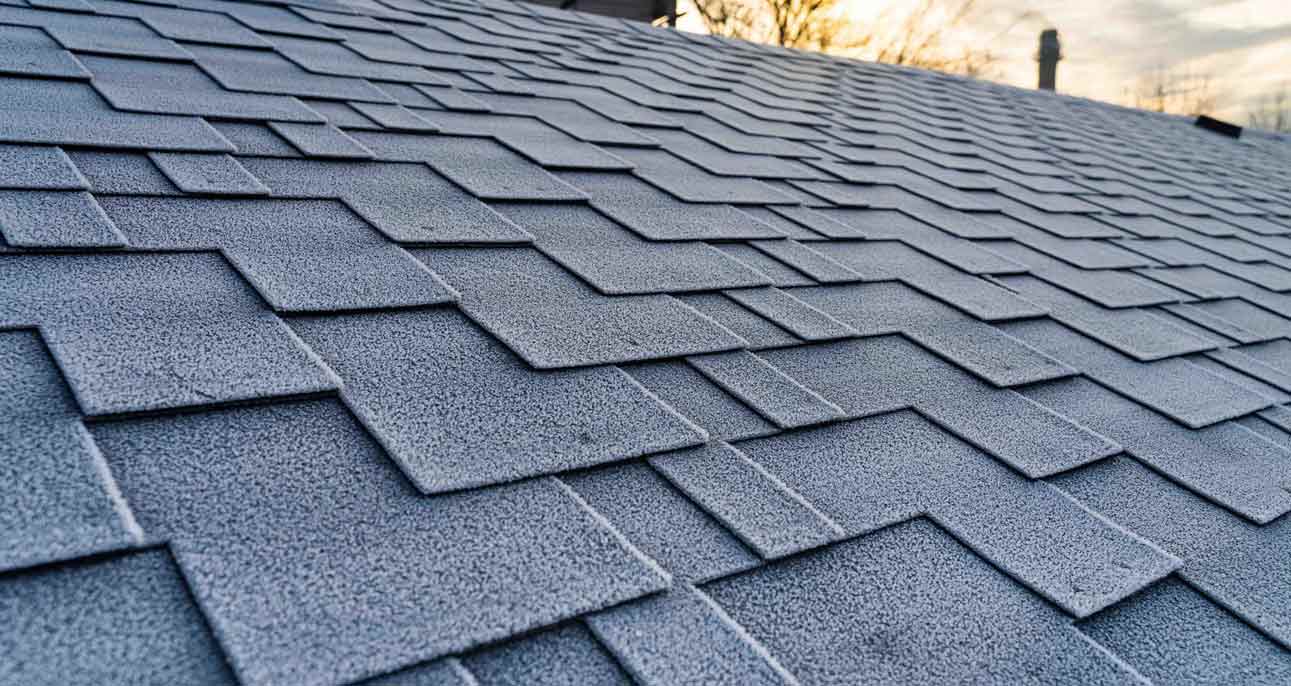
Modern asphalt roofing systems come in dozens of colors and textures, from classic three-tab profiles to dimensional architectural shingles that mimic the look of slate or wood shake.
This flexibility matters in neighborhoods with HOA guidelines, like Teravista, Avery Ranch, or Circle C Ranch, where exterior consistency is often required.
Reliable Protection When Properly Installed
Durability isn’t just about the material; it’s about the quality of the installation.
A correctly installed asphalt roof includes:
- Proper underlayment for moisture protection
- Balanced attic ventilation to reduce heat buildup
- Correct nailing pattern per manufacturer specs
- Flashing around chimneys, vents, and valleys
Skipping any of these steps is usually what causes early roof failure, not the shingle material itself.
Simple Repairs, Lower Long-Term Costs
Unlike tile or standing seam metal, damaged asphalt shingles can be replaced individually without reworking large roof sections.
That means:
- Faster repair turnaround
- Lower repair costs
- Less disruption to your property
How Long Do Asphalt Roofs Actually Last?
Lifespan depends on the shingle class, installation quality, and local climate exposure.
| Shingle Type | Typical Lifespan in Central Texas |
|---|---|
| 3-Tab Asphalt | 15–20 years |
| Architectural (Class 3) | 20–25 years |
| Impact-Resistant (Class 4) | 25–30 years |
Homes in wooded or shaded areas, like parts of Oak Hill or Lakeway, may see slightly shorter lifespans due to prolonged moisture retention from tree cover.
Warning Signs Your Roof Needs Attention
Most roofing failures don’t happen overnight; they build slowly, often unnoticed from the ground.
Watch for these signs:
- Granule loss: bald patches or granules collecting in gutters
- Cracked or curling shingles: usually from prolonged UV exposure
- Dark streaks or algae growth: common in shaded, humid areas
- Soft spots or sagging: often a sign of decking damage
- Daylight through the attic: a clear indicator of compromised flashing
Catching these early typically means a repair, not a full replacement.
Why Professional Installation Matters More Than the Material
A high-quality shingle installed poorly will fail faster than a mid-range shingle installed correctly.
Professional roofing contractors bring:
- Manufacturer-certified installation practices
- Proper ventilation calculations for Texas attics
- Knowledge of local building codes and permitting
- Warranty protection that DIY installs typically void
This is where the real value of hiring an experienced team shows, not just in the finished look, but in how the roof performs during its first major hailstorm or heatwave.
Asphalt vs. Other Roofing Materials: A Quick Comparison
| Material | Lifespan | Upfront Cost | Best For |
|---|---|---|---|
| Asphalt Shingles | 15–30 years | $ | Most homes, HOA flexibility |
| Standing Seam Metal | 40–70 years | $$$ | Long-term, low maintenance |
| Tile | 50+ years | $$$ | Hill Country, Mediterranean style |
Asphalt remains the practical middle ground: strong performance, manageable cost, and proven reliability across Central Texas conditions.
Final Thoughts
Asphalt roofing continues to lead the market for one simple reason: it balances affordability, durability, and style better than almost any other material available today.
For Austin-area homeowners dealing with heat, hail, and humidity, a properly installed asphalt roof can reliably protect a property for decades, provided the installation is handled by an experienced team that understands local conditions.
Armadillo Roofing & Exteriors has installed and repaired asphalt roofing systems across Austin, Round Rock, Cedar Park, and the surrounding communities for over 20 years, with free inspections available for homeowners evaluating repair versus replacement.
Frequently Asked Questions
How long do asphalt shingles last in Austin’s climate?
Most architectural shingles last 20–25 years locally, though intense UV exposure and hail can shorten that without proper ventilation and material grade.
Is asphalt roofing a good choice for hail-prone areas like Round Rock?
Yes, Class 4 impact-resistant shingles are specifically rated to withstand hail impact and are a strong choice for storm-prone neighborhoods.
Can damaged asphalt shingles be repaired instead of replaced?
In most cases, yes. Isolated damage can be repaired by replacing individual shingles without affecting the rest of the roof.
What’s the difference between 3-tab and architectural shingles?
Architectural shingles are thicker, more impact-resistant, and typically carry longer warranties, while 3-tab shingles are a more budget-focused option.
Does roof color affect energy efficiency in Texas heat?
Lighter-colored shingles reflect more sunlight and can modestly reduce attic heat buildup, which is worth considering for south-facing roofs.